
The Future of Mid-Market Procurement Compliance is Automation
Mid-market businesses face unique challenges in procurement compliance. Limited resources…
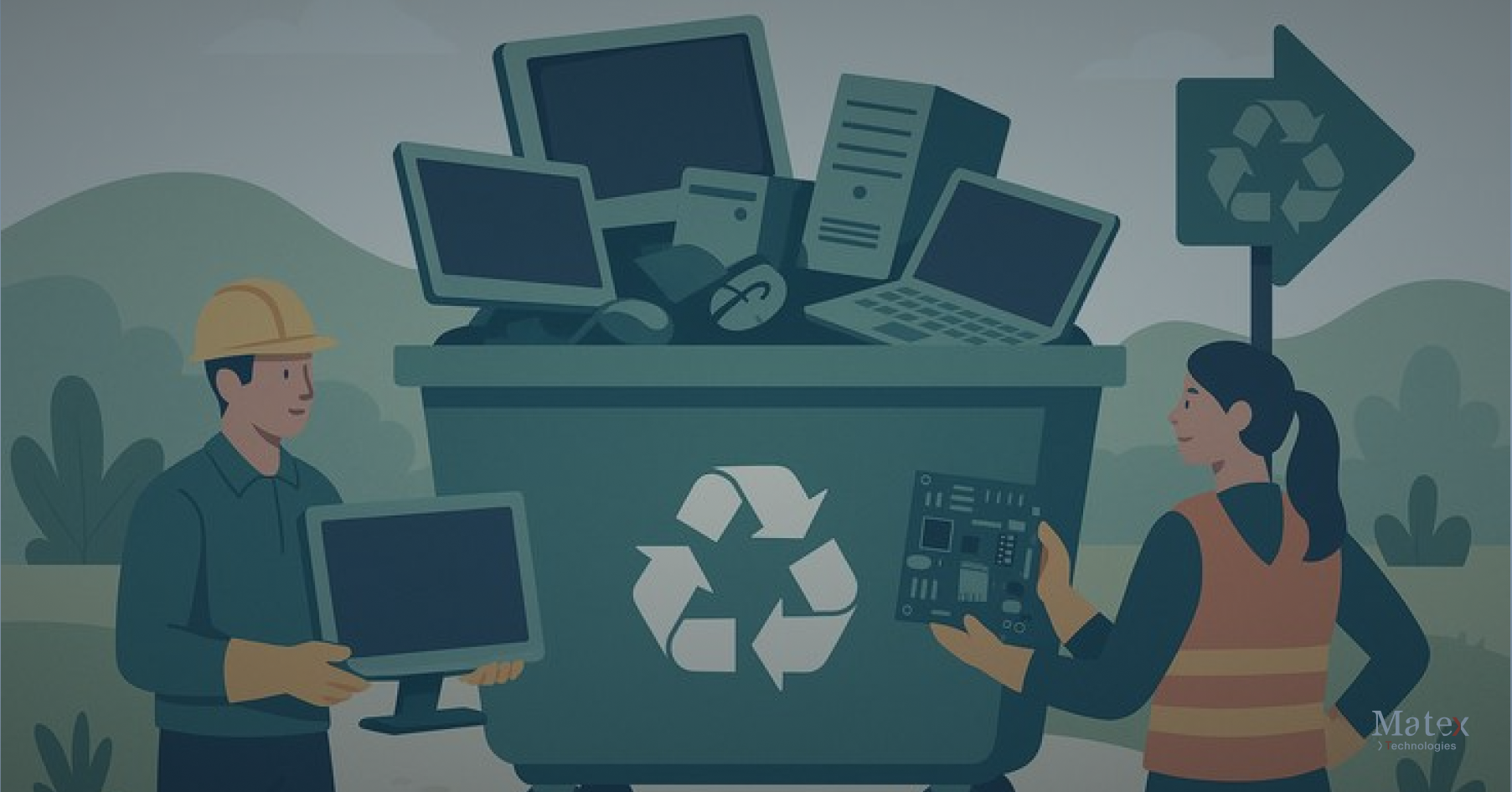
In today’s world, managing scrap and waste sustainably is more important than ever. Businesses across various industries are finding innovative ways to handle scrap materials efficiently, reducing their environmental footprint and improving their bottom line. This article will explore some of the best practices for sustainable scrap management, focusing on scrap disposal methods, waste management solutions, recycling best practices, waste minimisation strategies, and scrap management strategies.
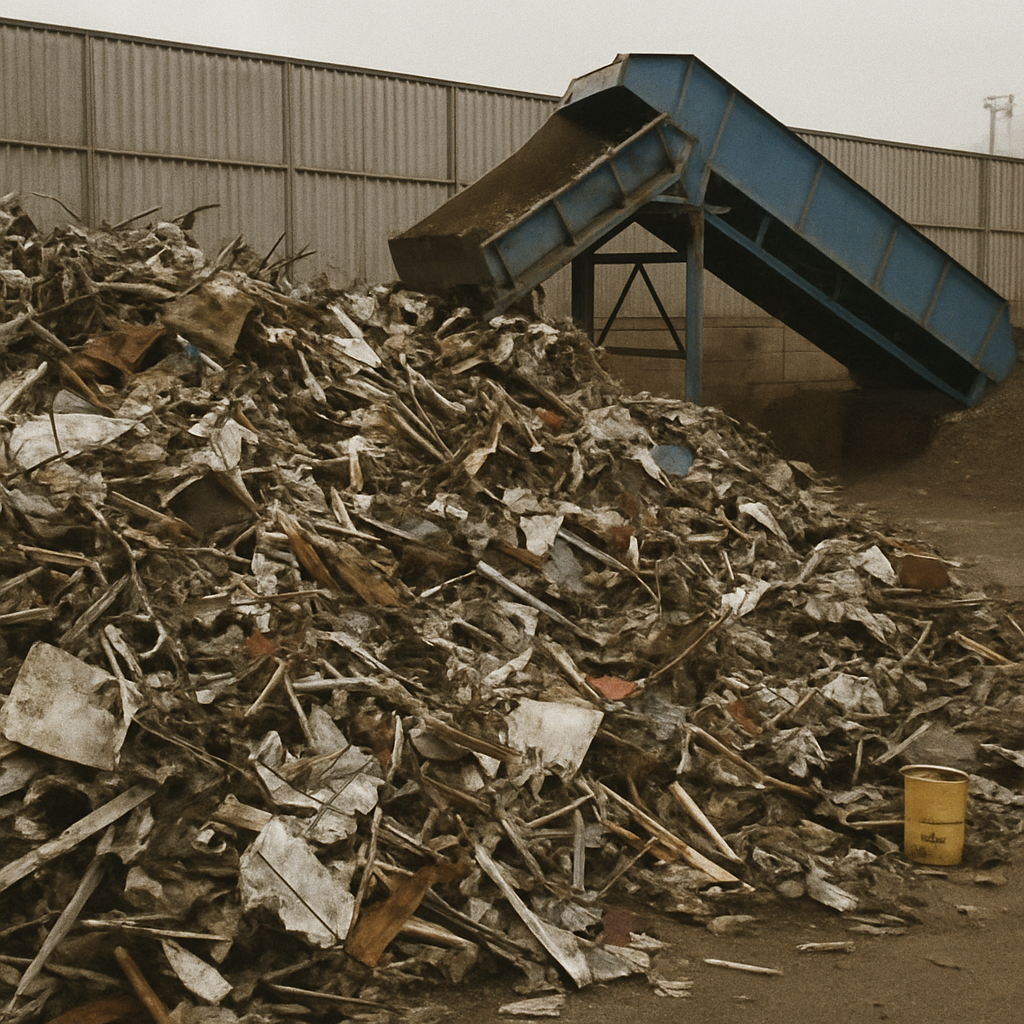
Scrap management involves the processes and strategies employed to handle waste materials produced during manufacturing or other industrial activities. These materials, often referred to as “scrap,” can include metal, plastic, paper, and other by-products.
Proper scrap management is crucial for minimising waste, conserving resources, and promoting sustainability.
This article outlines how businesses can manage scrap sustainably to cut environmental impact and costs through informed disposal, robust recycling, and proactive waste minimisation. It covers scrap types, enabling technologies, and the pros and cons of landfilling, incineration, and emerging alternatives like waste-to-energy and chemical recycling. Practical solutions include the 3 Rs, waste audits, partnerships with professionals, employee training, material segregation, and equipment investments. It also emphasises source reduction, process and lean optimisation, clear KPIs, and a culture of sustainability for continuous improvement and compliance.
Scrap management encompasses a set of practices aimed at efficiently collecting, sorting, and processing waste materials. This involves identifying the types of materials that constitute scrap and determining the best ways to handle them. Effective scrap management requires a thorough understanding of the lifecycle of materials from production to disposal, ensuring that every step minimises environmental impact.
Different industries generate various types of scrap materials, each requiring specific handling methods. Metals, plastics, paper, and electronic waste are common categories, each posing unique challenges. Metals can be melted and reused, plastics may require sorting by type for recycling, and paper often involves de-inking processes.
Understanding these categories helps tailor management strategies to maximise recycling and reuse.
Advancements in technology have significantly enhanced scrap management processes. Automated sorting systems, data analytics, and real-time monitoring tools are transforming how businesses manage their scrap. These technologies allow for more precise sorting, efficient processing, and better tracking of materials, leading to improved recycling rates and reduced waste.
Effective scrap management is essential for several reasons. Firstly, it helps businesses reduce their environmental impact by minimising waste sent to landfills. Secondly, it can lead to significant cost savings through recycling and reusing materials. Finally, sustainable scrap management enhances a company’s reputation, showcasing a commitment to environmental responsibility.

There are various methods for disposing of scrap materials, each with its own advantages and disadvantages. Understanding these methods is crucial for selecting the best approach for your business.
Landfilling is the most traditional method of waste disposal, involving the burial of waste materials in designated areas. While this method is simple and cost-effective, it has significant environmental drawbacks, including greenhouse gas emissions and potential soil and water contamination.
Landfills are a major source of methane, a potent greenhouse gas contributing to climate change. The decomposition of organic waste under anaerobic conditions releases methane, exacerbating global warming. Additionally, leachate from landfills can contaminate nearby soil and water bodies, posing risks to ecosystems and human health.
*The text provided is already appropriate for British English. There are no specific vocabulary or spelling changes necessary in this context.*
To mitigate the environmental impact of landfilling, many businesses are exploring alternatives such as composting organic waste and using advanced waste-to-energy technologies. These methods not only reduce landfill use but also contribute to energy generation and soil enrichment, offering a more sustainable approach to waste management.
While landfilling might appear cost-effective initially, long-term environmental costs can outweigh immediate savings. Investing in alternative disposal methods can lead to reduced environmental liabilities, lower regulatory compliance costs, and improved public relations, ultimately benefiting the bottom line.
Incineration involves burning waste materials at high temperatures, reducing their volume and sometimes generating energy.
Although this method can decrease waste volume, it can also release harmful pollutants into the air, making it less environmentally friendly.
Incineration significantly reduces waste volume and can generate energy, making it a potentially valuable method for waste management. However, the release of pollutants such as dioxins and furans during combustion raises environmental and health concerns. Implementing advanced filtration and emission control technologies can mitigate these risks.
Recent advancements in incineration technology focus on improving efficiency and reducing emissions. Techniques such as gasification and pyrolysis offer cleaner alternatives by converting waste into syngas or biochar, which can be used for energy or soil enhancement. These innovations hold promise for more sustainable incineration practices.
Strict regulations govern incineration practices to minimise environmental impact. Compliance with air quality standards and emission limits is crucial for businesses employing this method. Staying informed about regulatory changes and adopting best practices in emission control can help ensure legal compliance and community acceptance.

Recycling is the process of converting waste materials into new products, conserving resources and reducing pollution. This method is highly sustainable and can be applied to a wide range of materials, including metals, plastics, and paper.
Recycling conserves natural resources, reduces energy consumption, and lowers greenhouse gas emissions. By turning waste into new products, businesses can decrease their reliance on virgin materials, contributing to resource conservation and environmental protection.
Additionally, recycling can create economic opportunities in the form of jobs and innovative product development.
Despite its benefits, recycling faces challenges such as contamination, fluctuating market demand for recycled materials, and the complexities of sorting different materials. Addressing these challenges requires investments in technology, public education, and policy support to improve recycling rates and efficiency.
The recycling industry is evolving with new technologies and business models. Innovations such as chemical recycling, which breaks down plastics into their chemical components for reuse, and circular economy models that prioritise product redesign for recyclability, are shaping the future of recycling. These developments promise to enhance recycling’s sustainability and economic viability.
Implementing effective waste management solutions is key to sustainable scrap management. Here are some strategies to consider:
The “3 Rs” of waste management—reduce, reuse, recycle—form the foundation of sustainable scrap management. By reducing the amount of waste generated, reusing materials whenever possible, and recycling the rest, businesses can significantly minimise their environmental impact.
Effective waste reduction requires a strategic approach, including setting measurable goals, tracking progress, and engaging employees. Programmes that focus on reducing packaging, optimising inventory, and promoting digitalisation can significantly cut down waste generation at its source.
Encouraging reuse involves finding creative ways to repurpose materials that would otherwise be discarded.
This can include refurbishing old equipment, donating excess materials to community organisations, or developing internal exchanges where departments can share resources. Such initiatives not only reduce waste but also foster a culture of sustainability.
To maximise recycling, businesses should invest in infrastructure and systems that facilitate efficient collection and processing of recyclable materials. This may include installing more recycling bins, providing clear signage, and implementing incentive programmes to encourage participation. Collaborating with local recycling facilities can also ensure that materials are properly sorted and processed.
Conducting a waste audit involves analysing your company’s waste streams to identify opportunities for improvement. By understanding the types and quantities of waste produced, businesses can develop targeted strategies for reducing and managing scrap more effectively.
A comprehensive waste audit involves several key steps: collecting data on waste generation, categorising types of waste, identifying sources of waste, and evaluating current waste management practices. This analysis helps pinpoint areas where improvements can be made, setting the stage for developing effective waste reduction strategies.
After completing a waste audit, the next step is to analyse the findings to identify trends and inefficiencies. This includes examining which processes generate the most waste, assessing contamination levels in recycling streams, and evaluating the cost-effectiveness of current waste management practices. These insights inform the development of targeted interventions.
Based on audit results, businesses can implement improvements such as optimising waste collection systems, enhancing recycling programmes, and adopting new technologies to reduce waste. Monitoring and reviewing these changes regularly ensures they are effective and allows for continuous refinement of waste management practices.
Collaborating with waste management professionals can help businesses develop and implement sustainable scrap management strategies. These experts can provide valuable insights and resources, ensuring your company is following best practices and complying with regulations.
Partnering with waste management professionals offers several benefits, including access to specialised expertise, advanced technologies, and industry best practices.
These partnerships can lead to more efficient waste handling processes, increased recycling rates, and improved compliance with environmental regulations.
Choosing the right waste management partner involves evaluating potential providers based on their experience, service offerings, and reputation. It’s essential to select a partner who understands your industry-specific needs and can offer customised solutions that align with your sustainability goals.
Establishing long-term collaborations with waste management professionals fosters innovation and continuous improvement. Regular communication and feedback mechanisms help ensure that both parties are aligned on objectives and can adapt strategies as needed to respond to changing environmental and regulatory landscapes.
Recycling is a critical component of sustainable scrap management.
Here are some best practices to ensure your recycling efforts are as effective as possible:
Properly sorting and segregating materials is essential for efficient recycling. By separating different types of scrap, such as metals, plastics, and paper, businesses can ensure that these materials are processed correctly and not contaminated.
Effective segregation involves using colour-coded bins, implementing clear labelling systems, and providing guidelines for employees on how to sort materials. Automated sorting technologies, such as optical sorters and magnetic separators, can enhance the accuracy and efficiency of segregation efforts.
Contamination is a major challenge in recycling, often resulting from improper sorting or mixing of non-recyclable materials.
Educating employees on what can and cannot be recycled, and ensuring that collection systems are designed to minimise contamination, is crucial for maintaining the quality of recyclable materials.
To improve sorting efficiency, businesses can invest in technologies that streamline the segregation process. This includes conveyor systems, robotic sorters, and advanced sensor technologies that can quickly and accurately identify different material types, reducing manual sorting efforts and improving overall recycling rates.
Employee education is crucial for successful recycling efforts. Providing training on recycling best practices and the importance of sustainable scrap management can motivate employees to participate actively in waste reduction initiatives.
Comprehensive training programmes should cover the basics of recycling, the specific procedures and policies of the organisation, and the broader environmental impact of waste management practices. Interactive workshops, seminars, and online courses can cater to different learning preferences and ensure widespread understanding.
Education efforts should aim to create a culture of sustainability within the organisation. Recognising and rewarding employees for their contributions to waste reduction and recycling can reinforce positive behaviours and encourage ongoing engagement in sustainability initiatives.
Leveraging technology, such as virtual reality simulations and mobile apps, can enhance training by providing interactive and engaging learning experiences.
These tools can illustrate complex recycling processes, demonstrate best practices, and offer real-time feedback, making education more impactful and memorable.
Investing in recycling equipment, such as compactors and balers, can help businesses manage their scrap more efficiently. These tools can reduce the volume of waste, making it easier to store and transport materials for recycling.
Different types of recycling equipment cater to specific needs, including compactors for reducing waste volume, balers for compressing recyclable materials into manageable sizes, and shredders for breaking down materials like paper and plastic. Selecting the right equipment depends on the types and volumes of waste generated by the business.
Investing in recycling equipment offers several benefits, such as reducing waste handling costs, improving material quality for recycling, and enhancing operational efficiency. These tools can also improve workplace safety by minimising manual handling of waste materials.
When considering equipment investment, businesses should assess the potential return on investment by evaluating cost savings from reduced waste disposal fees, increased revenue from recycled materials, and enhanced sustainability credentials. Conducting a cost-benefit analysis can help determine the financial viability of purchasing new equipment.
Minimising waste generation is a vital aspect of sustainable scrap management.
Here are some strategies to consider:
Source reduction involves minimising waste at its origin by redesigning products or processes to use fewer resources. This approach not only reduces waste but can also lead to cost savings and improved efficiency.
Innovative product design focuses on using fewer materials, incorporating recycled content, and designing for disassembly and recyclability. By creating products that are easier to recycle and require fewer resources to produce, businesses can significantly reduce their environmental impact.
Redesigning processes for efficiency involves streamlining production methods to minimise material waste and energy consumption. Implementing lean manufacturing principles, adopting digital technologies, and optimising supply chain logistics can contribute to substantial waste reduction.
Collaborating with suppliers to implement source reduction strategies can extend waste minimisation efforts beyond the organisation. Encouraging suppliers to adopt sustainable practices, such as reducing packaging or using recycled materials, can amplify the impact of waste reduction initiatives.
Optimising manufacturing processes can significantly reduce scrap generation. By identifying inefficiencies and implementing improvements, businesses can minimise waste and improve overall productivity.
Process audits involve analysing each step of the manufacturing process to identify inefficiencies and areas for improvement. By evaluating factors such as energy use, material flow, and waste generation, businesses can pinpoint opportunities for optimisation.
Continuous improvement initiatives, such as Kaizen, focus on making incremental changes to processes to enhance efficiency and reduce waste. Encouraging employee involvement and fostering a culture of innovation can drive ongoing improvements and sustain long-term success.
Advanced technologies, such as data analytics, machine learning, and automation, can enhance process optimisation efforts. These tools enable real-time monitoring and analysis of manufacturing processes, facilitating quick identification of inefficiencies and data-driven decision-making.
Lean manufacturing is a production approach that focuses on reducing waste and maximising efficiency. By adopting lean principles, businesses can streamline their operations, reduce scrap, and enhance sustainability.
Lean manufacturing is based on principles such as value stream mapping, just-in-time production, and continuous improvement. By focusing on delivering value to customers while minimising waste, businesses can enhance efficiency and sustainability.
Various lean tools and techniques, such as 5S, Kanban, and Total Productive Maintenance, can help businesses identify and eliminate waste. Implementing these tools requires training and commitment from employees at all levels to achieve sustainable improvements.
To measure the success of lean initiatives, businesses should track key performance indicators such as waste reduction, productivity improvements, and cost savings. Regularly reviewing these metrics ensures that lean efforts remain aligned with organisational goals and drive continuous improvement.
Developing and implementing effective scrap management strategies is crucial for achieving sustainable waste management. Here are some approaches to consider:
Creating a comprehensive scrap management plan involves outlining your company’s waste reduction goals and strategies. This plan should include specific targets, timelines, and responsibilities, ensuring that everyone in the organisation is aligned and committed to sustainable scrap management.
Clear objectives provide a roadmap for scrap management efforts. These objectives should align with broader organisational sustainability goals and include measurable targets for waste reduction, recycling rates, and cost savings. Setting realistic and achievable goals ensures that progress can be tracked and celebrated.
Engaging stakeholders, including employees, management, and external partners, in the planning process ensures that diverse perspectives are considered and fosters buy-in from all parties involved. Collaborative planning can lead to more innovative and effective scrap management strategies.
To maximise the impact of scrap management efforts, businesses should integrate these strategies into their overall business strategy. This involves aligning scrap management goals with corporate sustainability initiatives and ensuring that they are supported by leadership and embedded in organisational culture.
Regularly monitoring and measuring your company’s waste management efforts is essential for continuous improvement.
By tracking key performance indicators (KPIs) such as waste reduction, recycling rates, and cost savings, businesses can identify areas for improvement and celebrate successes.
Selecting the right KPIs is crucial for effectively monitoring scrap management efforts. These indicators should reflect the organisation’s goals and provide actionable insights into performance. Examples include waste diversion rates, contamination levels, and financial savings from waste reduction initiatives.
Analysing data collected through monitoring efforts can reveal trends and areas for improvement. By examining the root causes of waste generation and recycling inefficiencies, businesses can develop targeted strategies to address challenges and enhance performance.
Regular reporting and communication of progress ensure transparency and accountability.
Sharing results with stakeholders, including employees and customers, demonstrates the organisation’s commitment to sustainability and can inspire further engagement and support for scrap management efforts.
Promoting a culture of sustainability within your organisation is critical for long-term success. Encourage employees to embrace sustainable practices by recognising their efforts and providing incentives for innovative waste reduction ideas.
Encouraging employee involvement in sustainability initiatives fosters a sense of ownership and accountability. Creating opportunities for employees to contribute ideas, participate in waste reduction projects, and take on leadership roles in sustainability efforts can drive engagement and innovation.
Recognising and rewarding employees for their contributions to scrap management and sustainability initiatives reinforces positive behaviours and motivates ongoing participation. Recognition programmes, awards, and incentives can highlight individual and team achievements and inspire others to get involved.
To build sustainability into organisational culture, businesses should incorporate sustainability principles into policies, practices, and decision-making processes. This includes embedding sustainability in mission statements, setting clear expectations for sustainable behaviour, and providing resources and support for sustainability initiatives.
Sustainable scrap management is an essential aspect of modern business operations.
By implementing effective scrap disposal methods, waste management solutions, recycling best practices, waste minimisation strategies, and scrap management strategies, businesses can reduce their environmental impact and improve their bottom line. Embracing these best practices not only benefits the environment but also enhances your company’s reputation, demonstrating a commitment to sustainability and responsibility.
Start with the waste hierarchy: prevent and reduce first, then reuse, recycle, recover energy, and use landfill only as a last resort. Match the method to your materials, volumes, and regulatory context. Recycling is generally the most sustainable option for metals, many plastics, and paper. For organics, consider composting. If energy recovery is needed, prefer cleaner technologies (e.g., gasification, pyrolysis, waste-to-energy) with robust emission controls. Factor in total cost of ownership, including long-term environmental liabilities and compliance costs-what looks cheapest upfront (e.g., landfilling) can be costlier over time.
A comprehensive audit includes:
Focus on segregation, education, and enabling tools:
High‑impact options include automated sorting systems, real‑time monitoring and analytics, compactors, balers, shredders, conveyors, and sensors for material identification. Assess ROI by quantifying:
Track indicators that reflect both performance and quality, such as:
Mid-market businesses face unique challenges in procurement compliance. Limited resources…
Walk your factory floor. You see machinery, skilled teams, and…
Understanding the nuances of strategic procurement involves more than just…
