
The Hidden Goldmine in Your Factory: Turn Scrap Materials into a 15 – 40% Revenue Boost
Walk your factory floor. You see machinery, skilled teams, and…
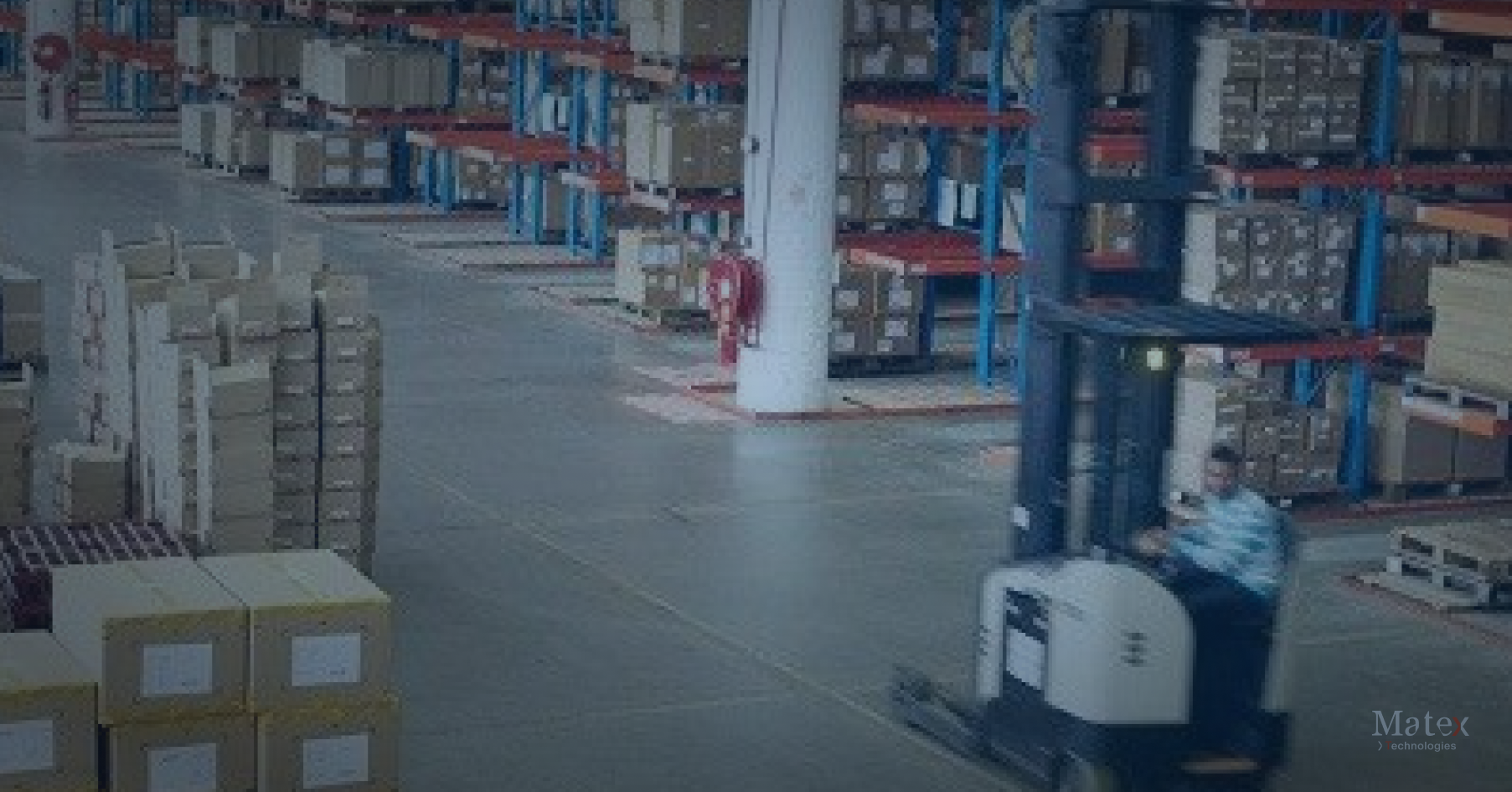
Surplus inventory can be a hidden drain on your business resources. It ties up capital that could be used elsewhere.
In 2026, converting surplus inventory into working capital is more crucial than ever and solutions like SurplusTek by Matex Technologies make this transition seamless. Businesses need to stay agile and efficient.
Effective inventory optimization techniques can prevent the accumulation of excess stock. This ensures smoother operations and better cash flow.
Understanding the causes of surplus inventory is the first step. It helps in crafting strategies to manage and convert it effectively.
Surplus inventory conversion involves turning excess stock into cash or other valuable assets. This can significantly boost your business’s financial health.
By leveraging technology, digital auction platforms, and strategic approaches through SurplusTek, businesses can transform surplus inventory into opportunities. This not only improves cash flow but also enhances overall business performance.
In this guide, we explore various methods to convert surplus inventory into working capital in 2026, supported by SurplusTek’s data-driven disposal and monetization framework.
Surplus inventory refers to stock that exceeds customer demand. This excess can greatly affect a company’s finances. When inventory sits unsold, it ties up money that could be used for growth.
Surplus inventory can also incur additional costs – storage, insurance, depreciation, and obsolescence.
With platforms like SurplusTek, businesses can unlock blocked capital by liquidating surplus efficiently.
A clear understanding of surplus inventory leads to:
✔ Better cash flow management
✔ Reduced unnecessary carrying costs
✔ Enhanced operational efficiency
Regular review via SurplusTek ensures faster conversion of non-moving stock into liquidity.
Surplus inventory often results from misjudged demand. Predicting customer needs can be difficult, leading to over-purchasing.
Misalignment between sales, procurement, and inventory planning can also lead to stock pile-ups.
Other contributing factors include:
With SurplusTek, businesses gain better visibility into slow-moving goods, helping prevent surplus before it becomes a financial liability.

Excess inventory ties up capital that could fuel expansion, raw material sourcing, or operations.
Costs include:
Surplus stock weakens liquidity and distorts financial reporting.
SurplusTek counters this risk by enabling rapid stock liquidation through competitive buyer networks, maximizing recovery instead of markdown losses.
A proactive inventory approach reduces the need for fire-sale liquidation later.
Top methods include:
SurplusTek’s AI-driven inventory visibility allows businesses to predict risk categories early, preventing working capital blockage.
Early detection ensures faster monetary recovery.
Audit best practices include:
📌 Compare stock levels against sales trends
📌 Identify slow-moving or obsolete SKUs
📌 Use inventory management software for real-time accuracy
SurplusTek by Matex Technologies supports digital tracking, SKU categorization & aging-based liquidation strategies for faster clearance.
Converting surplus into working capital can be done through:
Flash clearance sales, bundle offers & seasonal markdowns increase movement speed.
SurplusTek connects manufacturers with verified buyers, recyclers, retailers & liquidators — ensuring best possible valuation through competitive bidding.
Donations offer tax benefits, bartering reduces procurement cost, internal usage prevents waste.
SurplusTek centralizes all these routes – liquidation, auctions, bulk buyer discovery, donation linkage, and recovery planning.
Technology is the deciding factor in 2026 inventory recovery.
With SurplusTek, businesses gain:
| Feature | Benefit |
| Digital buyer network | Faster liquidation & best pricing |
| SKU aging visibility | Prevents stock stagnation |
| Demand forecast AI | Eliminates over-buying risk |
| Automated sale workflows | Faster working-capital unlock |
SurplusTek transforms surplus from a liability into a recoverable asset.
Inventory conversion should contribute to broader growth goals.
SurplusTek supports strategic alignment by:
When surplus management supports profitability targets, the business scales stronger.
Track these KPIs to measure efficiency:
📈 Inventory Turnover Ratio
📉 Days Sales of Inventory (DSI)
💹 Gross Margin Return on Inventory (GMROI)
SurplusTek provides real-time dashboards to measure liquidation efficiency, buyer response rate, and capital release velocity.
Train teams, upgrade tools, encourage analytical decision-making.
SurplusTek simplifies workflows so teams focus less on manual reconciliation and more on strategic optimization.
Surplus inventory is not just a bottleneck – it is recoverable capital waiting to be unlocked.
With SurplusTek by Matex Technologies, businesses can convert dead stock into cash efficiently through structured liquidation channels, real-time analytics, and competitive buyer discovery.
2026 belongs to agile manufacturers – and SurplusTek is the engine powering that transformation.
Surplus inventory conversion is the process of turning excess or slow-moving stock into liquid capital. In 2026, this is more important than ever due to rising storage costs, fluctuating demand, and the need for agile cash flow. SurplusTek helps businesses convert dead stock into revenue faster through structured liquidation channels.
SurplusTek by Matex Technologies connects businesses with verified buyers, liquidators, recyclers, and auction networks. The platform enables surplus inventory conversion through competitive bidding, digital visibility, and analytics-driven recovery strategies ensuring better realization value and quicker cash unlock.
Leading optimization methods include Just-In-Time inventory, data-based demand forecasting, supplier flexibility on MOQs, and continuous audits. SurplusTek supports these optimization techniques with real-time stock insights, SKU aging analysis, and automated disposal workflows.
Surplus is often identified through indicators such as low turnover SKUs, aged stock, mismatch between demand and procurement, or high warehouse aging. SurplusTek simplifies this process with SKU-level tracking, surplus mapping, and automated reports to highlight items that need liquidation.
Key KPIs include Inventory Turnover Ratio, DSI (Days Sales of Inventory), and GMROI. SurplusTek provides live dashboards and performance analytics for all disposal channels-helping businesses measure recovery value, buyer activity, and working capital impact in real time.
Walk your factory floor. You see machinery, skilled teams, and…

In today’s world, managing scrap and waste sustainably is more…

In today’s unpredictable and competitive business landscape, CFOs face increased…
