
The Hidden Goldmine in Your Factory: Turn Scrap Materials into a 15 – 40% Revenue Boost
Walk your factory floor. You see machinery, skilled teams, and…

In today’s rapidly evolving business landscape, the emphasis on sustainability is more pronounced than ever. Companies are increasingly prioritizing sustainable procurement strategies, not just as a means to protect the environment but as a core component of their brand ethos and long-term financial health. Tools like Proctek, a premier sustainable procurement software, are making it easier for businesses to adopt these eco-friendly practices efficiently. In this expanded article, we will delve deeper into the process of implementing sustainable procurement strategies using Proctek.
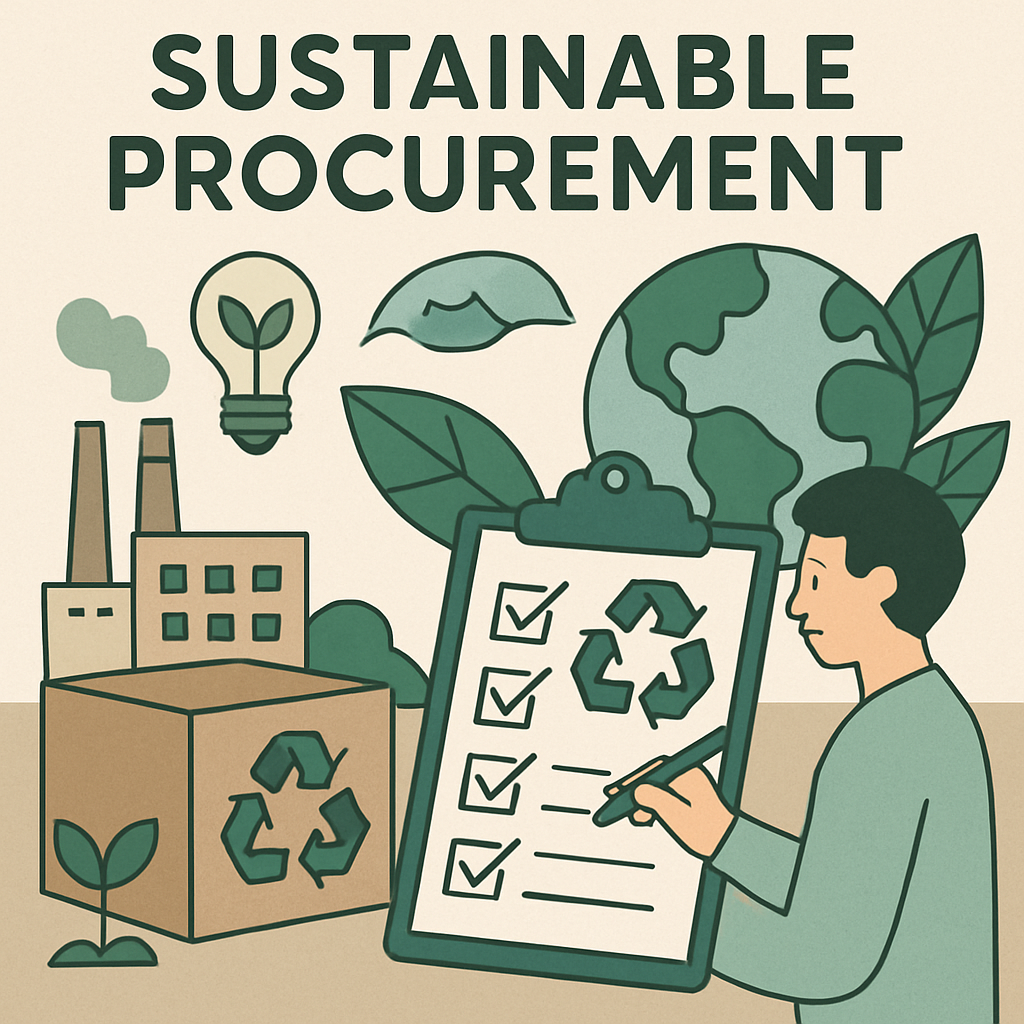
This article outlines how to implement sustainable procurement by defining its importance and key elements – eco and ethical procurement, green purchasing, lifecycle costing, and sustainable supply chains. It details how Proctek supports these efforts through supplier and contract management, real-time analytics, integrations, and customization. A five-step roadmap covers assessment, goal-setting, onboarding, implementation, and continuous improvement. The benefits include environmental impact reduction, cost savings, stronger compliance and brand reputation, and enhanced innovation and resilience.
Sustainable procurement is a holistic approach to acquiring goods and services. It emphasizes maximizing value while considering the environmental, social, and economic impacts throughout a product’s lifecycle. Unlike traditional procurement, sustainable procurement is about more than just opting for green products; it’s about fostering a supply chain that aligns with ethical sourcing and responsible purchasing practices.
Sustainable procurement is crucial for a myriad of reasons. Firstly, it significantly reduces environmental harm by minimizing waste and pollution, contributing to global efforts against climate change. Secondly, it ensures that procurement practices uphold ethical standards, promoting fair labor conditions and human rights across the supply chain. Lastly, sustainable procurement can enhance operational efficiency, leading to substantial cost savings by optimizing resource use and minimizing waste.
Sustainability also bolsters brand reputation, as consumers increasingly favor companies that demonstrate a commitment to ethical practices. Moreover, adhering to sustainable procurement practices can mitigate risks associated with regulatory non-compliance and supply chain disruptions, safeguarding business continuity and fostering resilience.
To implement sustainable procurement effectively, businesses should concentrate on several critical elements:
Proctek stands out as a robust tool that aids businesses in refining their sustainable procurement processes. By leveraging Proctek, companies can efficiently align their procurement strategies with sustainability goals.
Proctek provides a sophisticated platform for managing supplier relationships. It enables businesses to assess suppliers on their sustainability credentials, ensuring that partnerships are formed with entities that share a commitment to sustainable practices. This evaluation extends beyond environmental considerations to include social and ethical metrics, fostering a truly sustainable supply chain.
Supplier management with Proctek also involves continuous monitoring and re-evaluation of supplier performance, ensuring compliance with evolving sustainability standards. This proactive approach not only strengthens the supply chain but also enhances supplier relationships through collaboration and shared sustainability goals.
Contracts are foundational to procurement, and Proctek simplifies their management. The software enables the creation of contracts that inherently include sustainable procurement clauses, ensuring alignment with sustainability objectives. This ensures that all procurement agreements support the company’s overarching sustainability strategy.
Additionally, Proctek’s contract management capabilities allow for the seamless updating and tracking of contracts, ensuring they remain compliant with the latest sustainability standards and regulations. This feature reduces legal risks and enhances operational transparency.
Proctek offers comprehensive real-time data and analytics, empowering businesses to make informed decisions. By tracking procurement activities and analyzing their sustainability impacts, companies can identify areas for improvement and optimize their procurement strategies accordingly.
The analytics tools in Proctek provide insights into spending patterns, supplier performance, and resource utilization, helping companies adjust their strategies to enhance sustainability outcomes. This data-driven approach not only improves decision-making but also facilitates the communication of sustainability achievements to stakeholders.
One of Proctek’s standout features is its ability to integrate seamlessly with existing business systems, such as ERP, CRM, and other management software. This interoperability ensures that sustainable procurement practices are embedded across all business functions, facilitating a smooth transition to sustainability.
The seamless integration capability of Proctek also enhances data consistency and accuracy across platforms, enabling more cohesive and comprehensive reporting on sustainability metrics.
Proctek offers customization options that allow businesses to tailor the platform to their specific procurement needs. This flexibility ensures that the software can adapt to different industries and organizational structures, making it a versatile tool for sustainable procurement.
Implementing sustainable procurement strategies using Proctek involves a structured approach. Here’s an expanded step-by-step guide to help you navigate the process.
Begin by conducting a thorough assessment of your current procurement practices. Identify areas where sustainability can be enhanced, such as supplier selection, product sourcing, and contract management. This evaluation will provide a clear understanding of your starting point and highlight opportunities for improvement.
Consider engaging with stakeholders across the organization to gather insights and perspectives on current practices. This collaborative approach ensures a comprehensive assessment and fosters buy-in for the sustainability strategy.
Defining clear sustainability goals is critical to guiding your procurement strategy. Whether your objectives are to reduce carbon emissions, support ethical sourcing, or increase the use of recycled materials, having specific, measurable goals will direct your efforts and provide benchmarks for success.
Involve key stakeholders in the goal-setting process to ensure alignment with broader business objectives and gain organizational support. Clear communication of these goals across the organization will foster a unified commitment to sustainability.
Introduce Proctek to your procurement team and suppliers, emphasizing its role in achieving sustainability goals. Provide comprehensive training and resources to ensure effective utilization of the software. Encourage collaboration and open communication to align efforts and foster a shared commitment to sustainability.
Consider hosting workshops and training sessions to demonstrate Proctek’s features and benefits. By empowering your team and suppliers with the knowledge and tools they need, you pave the way for successful implementation.
With Proctek in place, begin implementing sustainable procurement practices. Leverage the software’s capabilities to manage suppliers, streamline contract management, and track procurement activities. Focus on integrating eco procurement, ethical procurement, and green purchasing into your processes to build a sustainable supply chain.
Regularly review procurement activities to ensure alignment with sustainability goals, and make necessary adjustments to strategies as required. Proctek’s analytics tools can provide valuable insights into the effectiveness of your procurement practices.
Continuous monitoring and improvement are key to successful sustainable procurement. Use Proctek’s analytics to track progress towards sustainability goals and identify areas for enhancement. Regularly evaluate supplier performance, contract compliance, and resource utilization to refine your strategies and maximize sustainability outcomes.
Engage stakeholders in the evaluation process to gather feedback and insights, fostering a culture of continuous improvement. Celebrate successes and share learnings to maintain momentum and inspire further innovation in sustainable procurement.

Implementing sustainable procurement strategies using Proctek offers a wealth of benefits:
Sustainable procurement is no longer a mere trend; it is an essential strategy for businesses seeking long-term success and resilience. By leveraging tools like Proctek, companies can streamline procurement processes and achieve their sustainability goals efficiently. Whether your focus is on ethical sourcing, green purchasing, or building a sustainable supply chain, Proctek provides the tools and insights necessary to make a significant impact. Start implementing sustainable procurement strategies today and contribute to a healthier planet and a more sustainable future for all.
Sustainable procurement looks beyond the lowest purchase price to consider environmental, social, and economic impacts across a product’s entire lifecycle. It prioritizes eco and ethical procurement, green purchasing, sustainable supply chains, and lifecycle costing (total cost of ownership, including environmental and social costs). The goal is to maximize value while aligning sourcing and purchasing with responsible, transparent, and resilient practices.
Proctek centralizes supplier management so you can assess and track vendors on sustainability credentials that span environmental, social, and ethical metrics. It supports continuous monitoring and re-evaluation against evolving standards, encourages collaboration on shared sustainability goals, and strengthens the supply base by promoting transparency and ongoing performance improvement.
Proctek’s contract management lets you build in sustainability clauses from the outset, align agreements with organizational sustainability objectives, and keep contracts current as standards and regulations change. Its tracking and update capabilities reduce legal risk, improve compliance, and increase transparency across the contract lifecycle.
Follow a five-step roadmap:
Organizations typically see reduced environmental impact, cost savings from streamlined processes and better resource efficiency, stronger brand reputation and stakeholder trust, improved compliance with environmental and social regulations, and increased innovation and competitiveness as the supply chain adapts to evolving sustainability demands.
Walk your factory floor. You see machinery, skilled teams, and…

In today’s rapidly evolving business landscape, emerging markets are at…

In today’s global economy, diversity and inclusion have become essential…
